
 English
  Français
  Español
 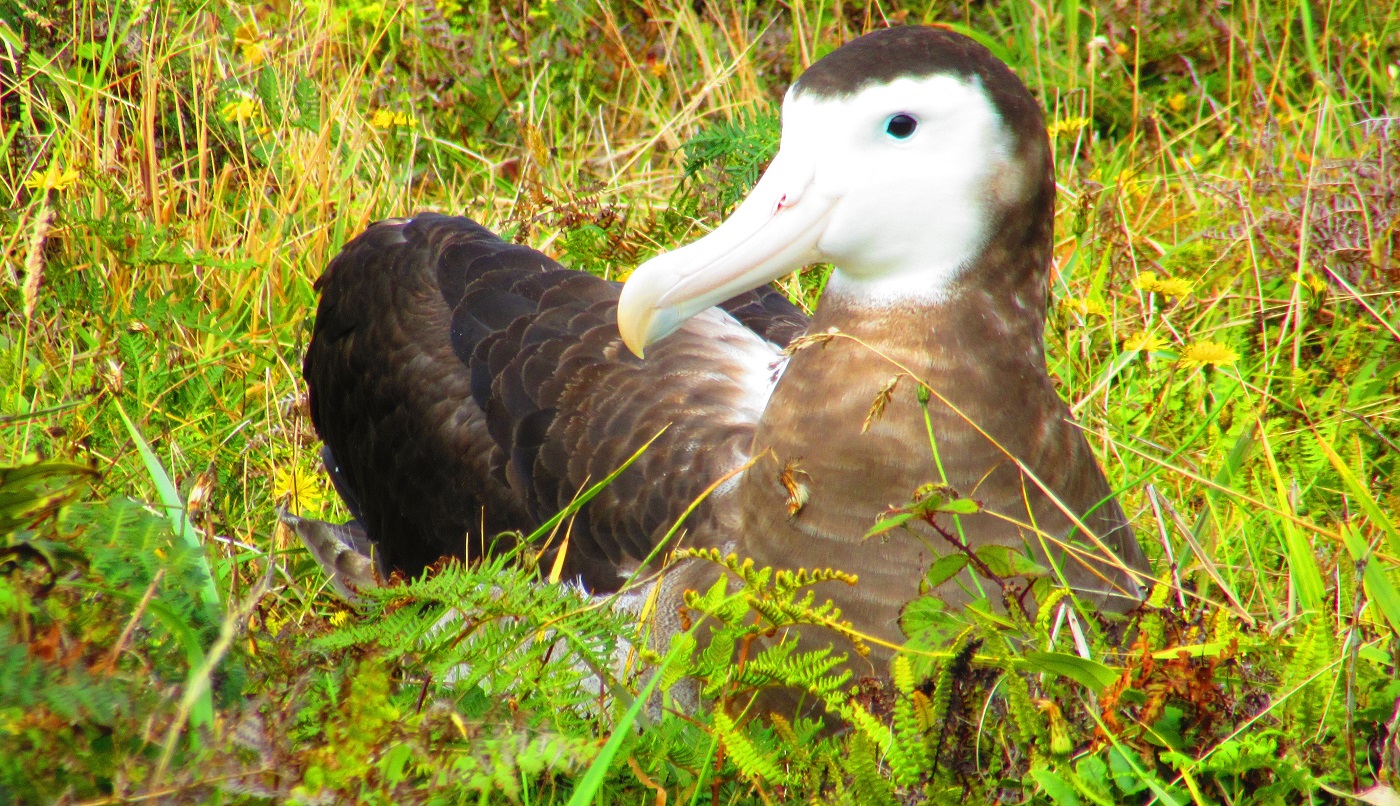 Antipodean Albatross chick on Pitt Island in 2024, photograph from the Flowerpot Lodge
The New Zealand Department of Conservation has announced funding towards eradicating feral cats and controlling feral pigs on Pitt Island (Rangihaute/ Rangiauria) in the Chatham Islands.
The “Chatham Islands Landscape Restoration Trust will receive [NZ]$1,169,900 for a project to remove feral cats from Rangihaute Pitt Island. This will protect at least 14 threatened bird species, including the Endangered Shore Plover Thinornis novaeseelandiae (tūturuatu/tchūriwat) and restore several critical ecosystems.”
“The Chatham Islands Farmers Association will receive [NZ]$543,240 to undertake pig control, reducing the impact on threatened species and critically endangered ecosystems, as well. This work will begin on Rangihaute Pitt Island before commencing on the main Rēkohu Wharekauri Chatham Island.”
A single pair of Endangered Antipodean Albatrosses Diomedea antipodensis breeds on Pitt Island and the Vulnerable Chatham Islands Petrel Pterodroma axillaris breeds in small numbers protected by a fence.
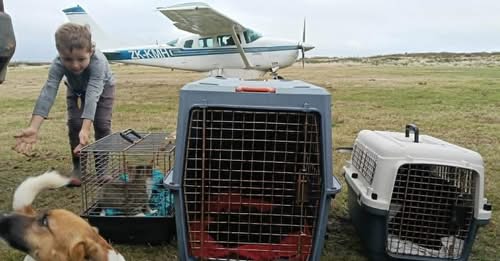 “The last seven unsterilised pet cats on Pitt Island have been flown to neighbouring Chatham Island to be desexed, a crucial step towards eradicating feral predators.”
Pet cats living on Pitt Island have now all been sterilized (click here).
John Cooper, Emeritus Information Officer, Agreement on the Conservation of Albatrosses and Petrels, 20 August 2026